The History of German-Americans in the Midwest
Published on March 19, 2026
Kirk Marske from the German American Heritage Center and Museum in Davenport, IA is putting the finishing touches on his ‘Sculpture Scavenger Adventure‘. Be on the lookout for this new Adventure focused on sculptures in downtown Davenport.
By Dave Lifton (@daveeatschicago)
German emigration to the New World began in the late 17th century, but it wasn’t until 1816 that significant numbers began to arrive, when industrialization affected farmers’ livelihoods. By the 1830s, they had started making their way to the Midwest.
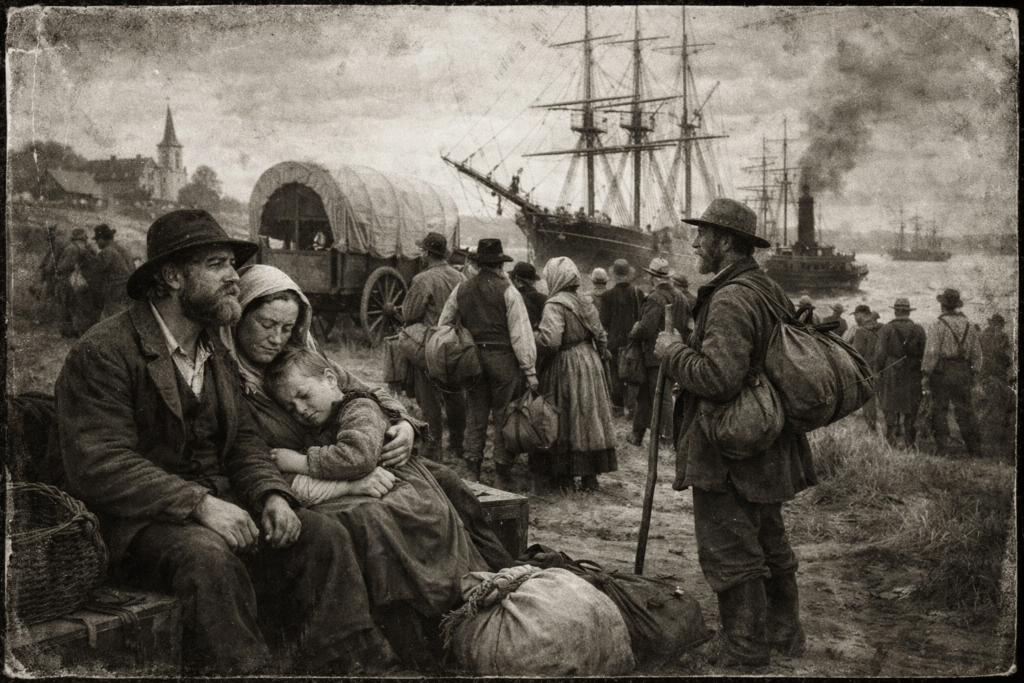
They learned about this from Gottfried Duden, a lawyer from Remscheid in Prussia who spent three years in Missouri. After returning, he wrote 1929’s Report on a Journey to the Western States of North America, where he described the abundance of inexpensive farmland and the personal, political, and religious freedoms in the U.S.
But the driving force for widespread German migration was the revolutions of 1848, when attempts to unify the 39 independent states of the German Confederation and install democracy spread throughout Central Europe. The rebellions were ultimately quashed by July 1849, and those who participated—known as “Forty-Eighters”—were exiled. Others also left because the economic conditions that led to the uprisings had not improved.
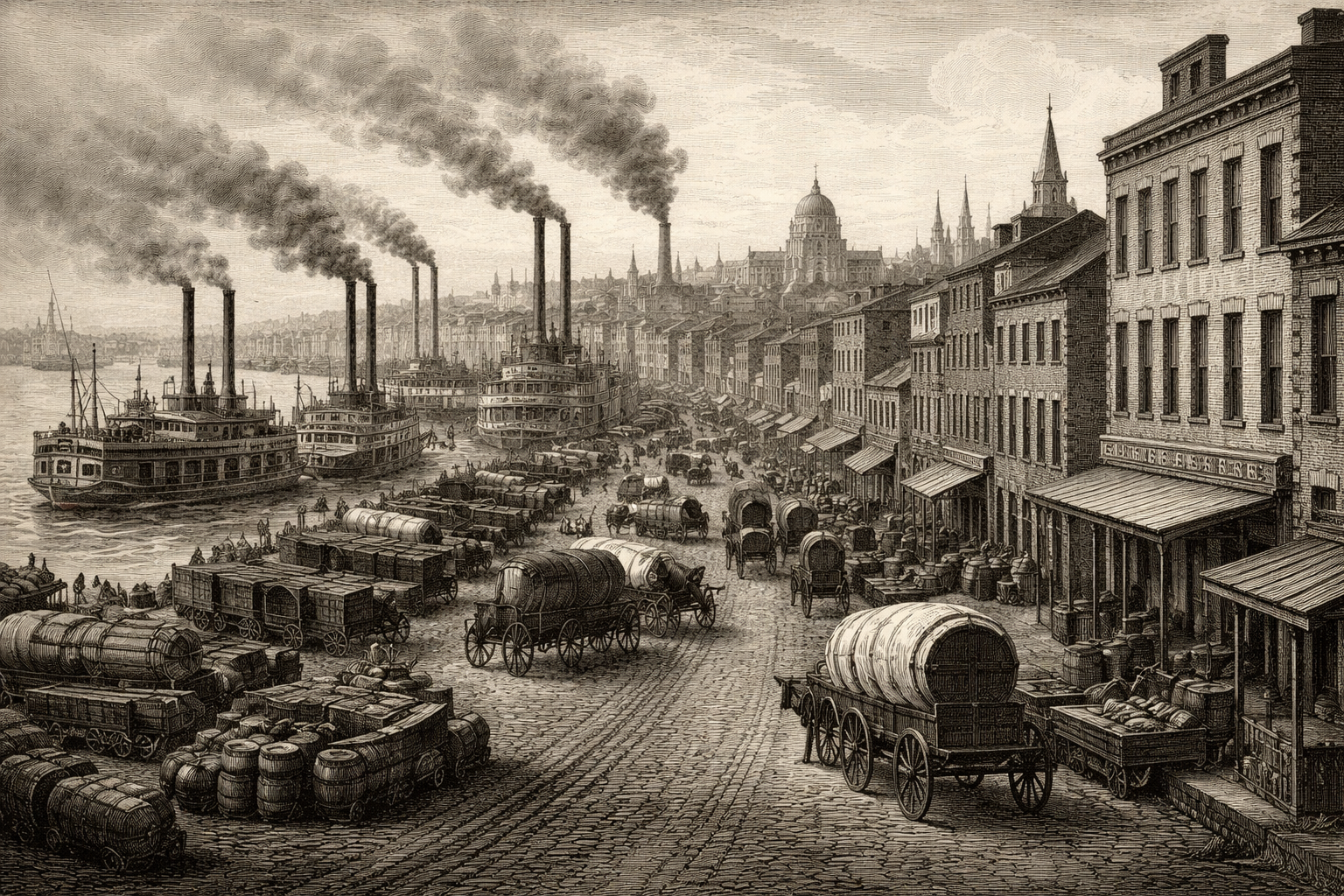
The nascent cities of St. Louis, Chicago and Milwaukee were the main beneficiaries of the immigrants. By 1850, more than half of St. Louisans (78,000) were German, and there were approximately 5,000 Germans in Chicago, 1/6 of the city’s population. Milwaukee was 32% German in 1870, with some surrounding counties at similar numbers. Iowa also became a haven for Germans, with 7,101 immigrants in the state in 1850, four years after Iowa was admitted into the Union.
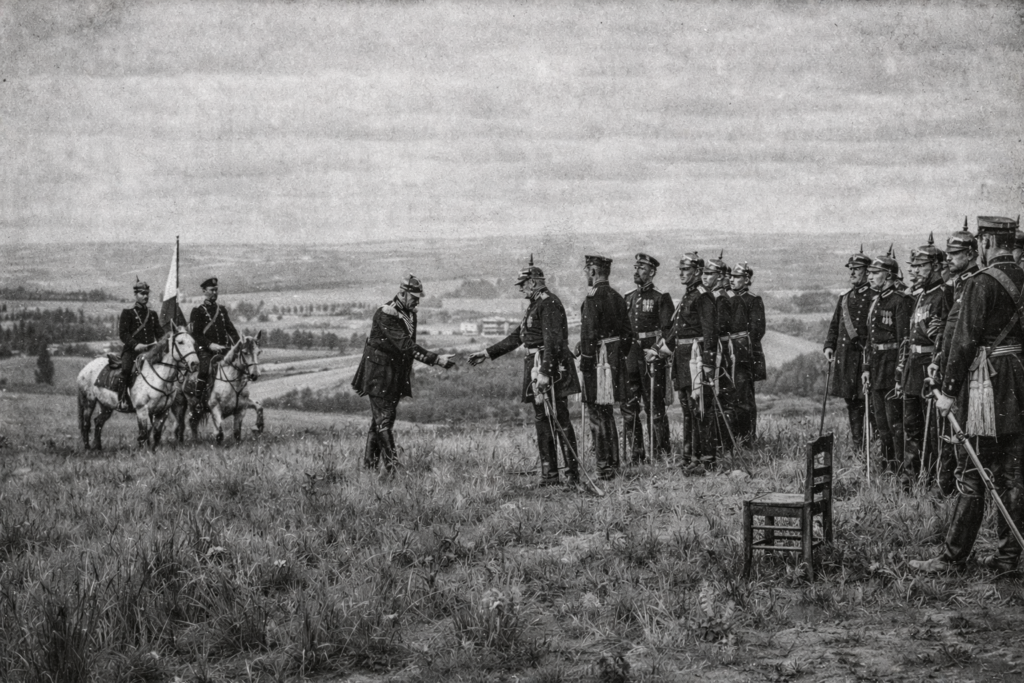
Victory in the Franco-Prussian War of 1871 unified Germany under Chancellor Otto von Bismarck, who, almost immediately upon taking office, enacted laws that discriminated against Catholics and socialists. This led to another wave of migration, an irony given that the Forty-Eighters were driven out by their desire for a German state.
Unlike other ethnic groups of immigrants at the time, the Forty-Eighters and those who left after von Bismarck’s ascendency tended to be middle-class, and educated. Many were craftsmen—masons, butchers, tailors, cobblers, etc.—who were able to bring their tools with them and open businesses. Another unique trait was that there was no distinct religion among them, with Protestants of various denominations, Catholics, and Jews crossing the ocean.
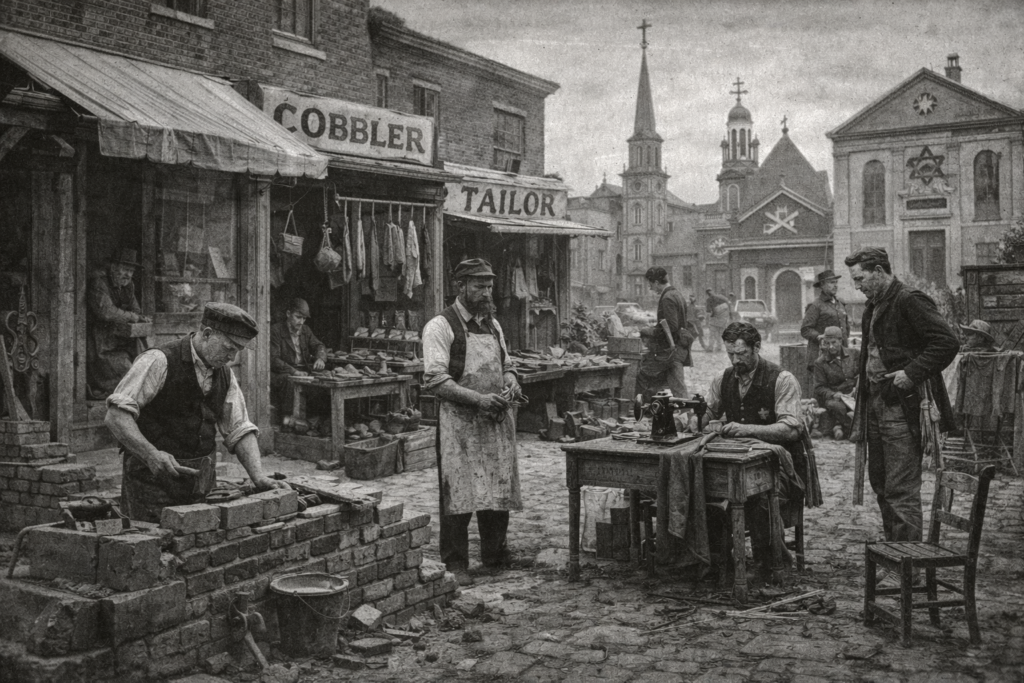
Others were farmers by trade who worked primarily in factories and other unskilled positions until they had saved enough money to buy land in rural communities.
The 1870s also brought Germans of a different stripe into the Midwest. A century earlier, during a prior period of political turmoil, Russian Czarina Catherine the Great offered free land and the opportunity to live as Germans around the Volga River. Another group settled near the Black Sea in starting in 1804. But the same year that Germany unified, Czar Alexander II reversed that policy to force them to assimilate. The “Russification” policies were expanded in the 1880s under the rule of his son, Alexander III. Rather than return to their ancestral homeland, many left for America, settling mainly in the Great Plains states, including Nebraska, Kansas, and the Dakotas.
Because of their relative wealth, they could build strong communities quickly. German culture flourished in the Midwest, with newspapers, religious and cultural institutions, social clubs, Turnverein (athletic clubs), aid societies, theaters, and, of course, breweries. Schlitz, Pabst, Miller, and Anheuser-Busch were all started by German immigrants during the mid-1800s in Milwaukee and St. Louis.
They were also politically astute, and brought with them expertise in organization. It led to Chicago being one of the centers of the American labor movement and Milwaukee electing three socialist mayors from 1910-60, serving a total of 38 years. And as the temperance movement picked up steam in the late 1800s, Germans repeatedly fought back against state and municipal laws to ban the manufacturing and consumption of alcohol with varying degrees of success.
But in the 20th century, German-Americans faced a challenge. World War I created a backlash against all things German, even as the U.S. was neutral in the war’s first few years, and their loyalty to America was questioned. In fairness, many did still support Germany, and held fundraisers to support families there. Others chose to hide their heritage and expressed support for Great Britain.
It intensified after the sinking of the Lusitania brought the U.S. into the conflict. In Chicago, streets named after prominent Germans or cities in Germany were renamed for Brits like Wiliam Shakespeare and Charles Dickens. German language performances at Milwaukee’s Pabst Theater were stopped when an armed group protested. Iowans of German ancestry were spied on and targets for physical assault, and Gov. William L. Harding even banned the German language from being spoken.
The persecution prompted the decline of German culture after the war. The old newspapers and theaters shuttered, and social clubs Anglicized their names. Prohibition had also become the law of the land. By the start of the second World War, German-Americans in the Midwest had blended in to the point where they were no longer singled out. In the later years of the 20th century, however, German cultural traditions re-emerged, without the stigma, with municipal Oktoberfests taking their place on calendars in the same manner as St. Patrick’s Day or Cinco de Mayo.

The Adventure starts when you say it does.
All eATLAS Adventures are designed and built by experienced eATLAS Whoa!Guides. They're always on. Always entertaining. And always ready to go.
Check out our Adventures!