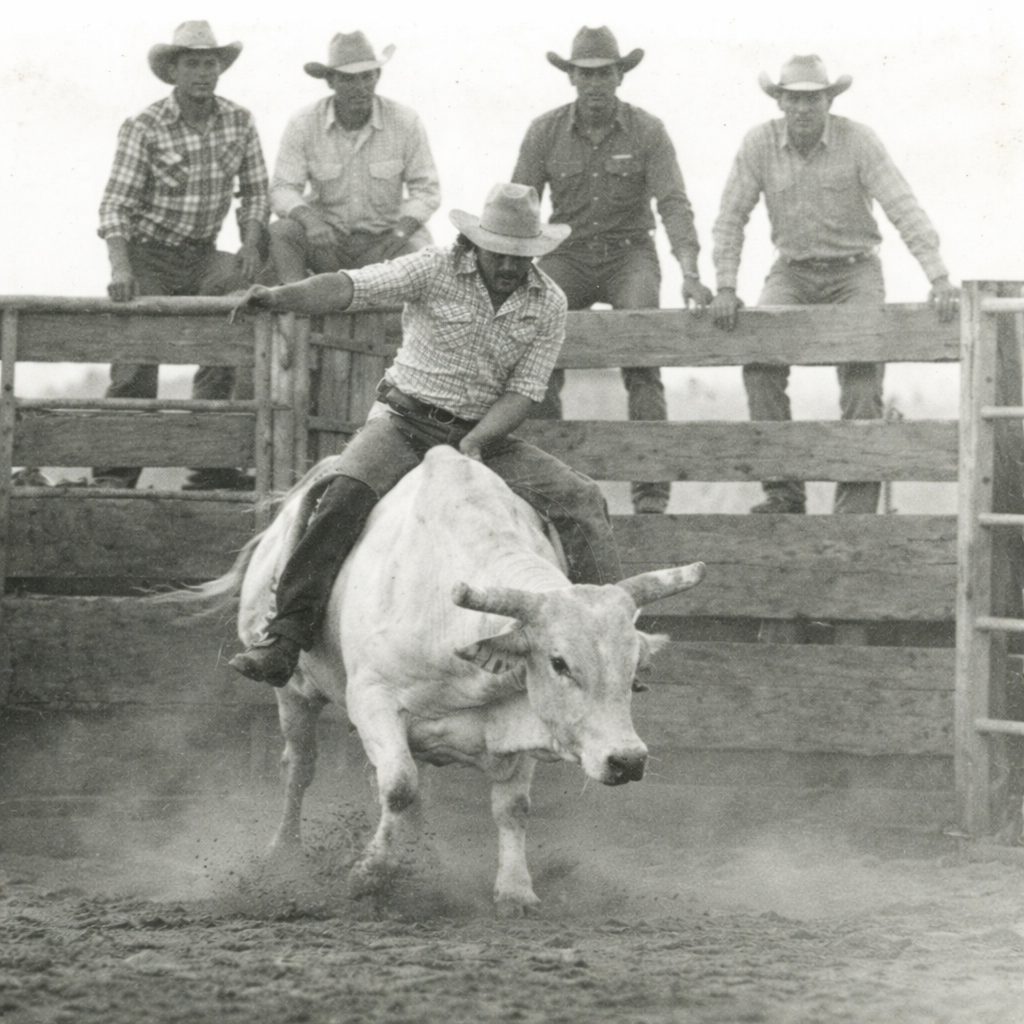
The History of Rodeo
Published on March 5, 2026
Rodeo buffs can take our free Rodeo Adventure, which has 10 challenges and questions. You can get started by downloading the app at the App Store or Google Play.
By Dave Lifton (@daveeatschicago)
During the early part of the 19th century, itinerant ranch hands in Mexico would often hold competitions related to their main job skills—riding and roping—when time permitted. The vaqueros, as they were known, gave these contests the name “rodeo,” after the Spanish verb rodear, which means “to encircle or round up.”
The annexation of Texas (1845) and the end of the Mexican-American War (1848) brought rodeo culture inside the borders of the U.S. It’s not fully known when the first proper American rodeo took place, but there are a few that claim it. Deer Trail, Colo., held one in 1869, where an Englishman named Emilnie Gardenshire was awarded a suit of clothes and the title of “Champion Bronco Buster of the Plains” for staying on his bay horse for 15 minutes. Fourteen years later, the town of Pecos, Texas, gave prizes to the winners of bronc riding and steer roping. Then, in 1888, a rodeo in Prescott, Ariz., charged an admission fee and formalized the rules of the competitions. A rodeo that was held in 1847 that has often been credited as being in Santa Fe, N.M., was most likely held in Santa Fe, Mexico.
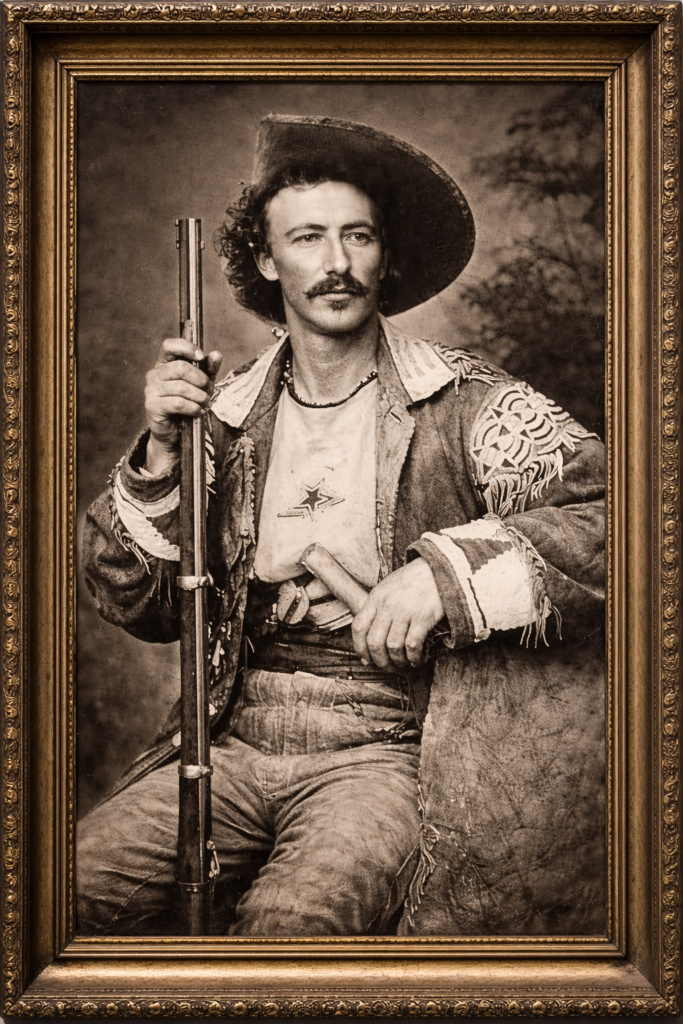
A year before the Pecos rodeo, an actor named William F. “Buffalo Bill” Cody staged the Old Glory Blowout in his hometown of North Platte, Neb. The festival mixed the roping and riding competitions with horse races, shooting contests, parade, and a re-enactment of a buffalo hunt. More than 1,000 cowboys competed in events, such as roping, shooting, riding, and bronco-breaking for prizes donated by local businesses.
All four of these events were held on July 4th of their respective years, the day that could guarantee the largest possible crowd. To this day, Pecos and Prescott honor their respective histories by still holding rodeos.
The success of the Old Glory Blowout led Cody to take it on the road the next year. By mixing rodeo with staged battles between cowboys (always portrayed as heroic) and Indians (always seen as savages), Buffalo Bill’s Wild West romanticized frontier life at the very moment it was closing due to those territories being granted statehood. Cody (along with sharpshooter Annie Oakley) was a hit in Eastern cities, Europe, and the 1893 World’s Columbian Exposition in Chicago, where he built an 18,000-seat arena near the fairgrounds and came away with a bigger profit than if he’d been an official part of the fair.
Although the popularity of Cody’s Wild West shows and the copycats that sprung up in its wake declined in the early years of the 20th century, they were essential in establishing the idea of the frontier as a distinctly American way of life.
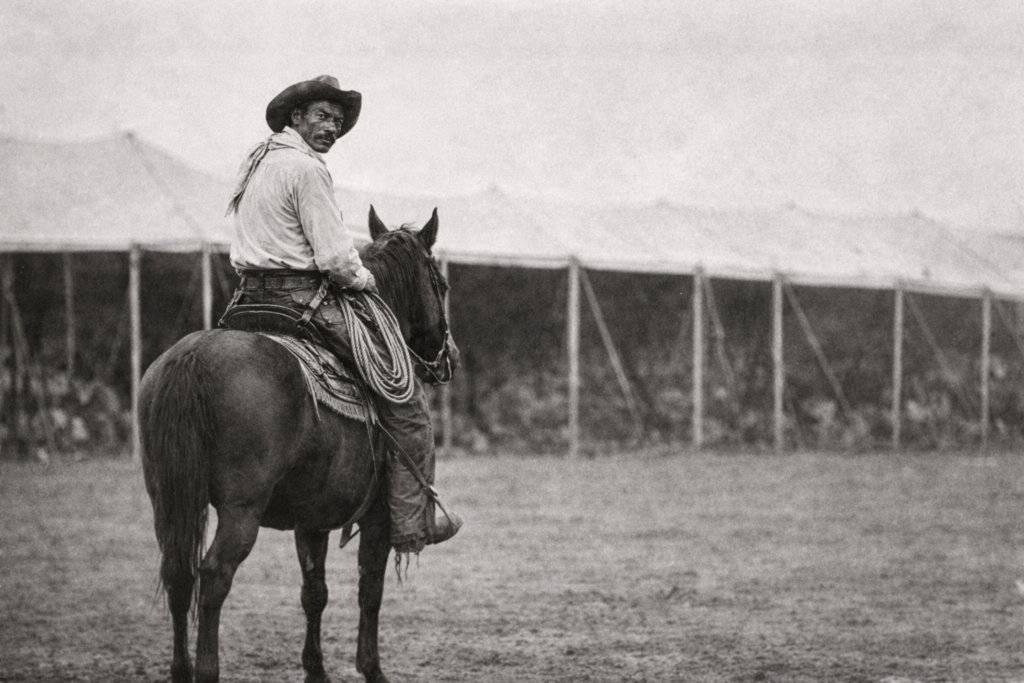
The touring shows would soon give way to the novels of Zane Gray and Western movies as forms of entertainment, but the rodeo grew in popularity and more events were added. Bill Pickett, a Black cowboy who’d been part of the 101 Ranch Wild West Show (portraying a Comanche Indian), invented bulldogging, the antecedent of steer wrestling. By 1917, calf roping had been added.
With the growth came problems, as rodeos were often poorly organized, without standardized rules. Promoters often failed to pay the winners, and some touring rodeos were fake, with the winners rotating in each city. To weed out the frauds, a group of organizers created the Rodeo Association of America in 1929. The RAA codified the rules, monitored judges, and created a point system to determine who were the world champions in bull riding, calf roping, bronc riding, bulldogging, steer roping, bareback riding, wild cow milking, and team roping.
While the RAA brought stability on the management side, labor was still unsatisfied. At the Boston Garden Rodeo in 1936, 61 performers voted to strike after learning that the total prize money was less than the sum of the entry fees. Upon learning of the walkout, rodeo performers in Chicago, who were scheduled to appear in Boston next, followed suit.
The action led to the formation of the Cowboys’ Turtle Association, so named because they were “slow, but sure” to organize. They’ve since changed their name twice, to the Rodeo Cowboys Association (1945) and the Professional Rodeo Cowboys Association (1975).
The stability allowed rodeo to grow beyond its Mexican and American roots to other countries. The Calgary Stampede, begun in 1912, is now a 10-day festival that attracts more than 1 million visitors annually. Brazil and Australia also have thriving rodeo scenes, and it’s also growing in Japan, Germany, France, and Italy.
The author has never even ridden a horse.

The Adventure starts when you say it does.
All eATLAS Adventures are designed and built by experienced eATLAS Whoa!Guides. They're always on. Always entertaining. And always ready to go.
Check out our Adventures!