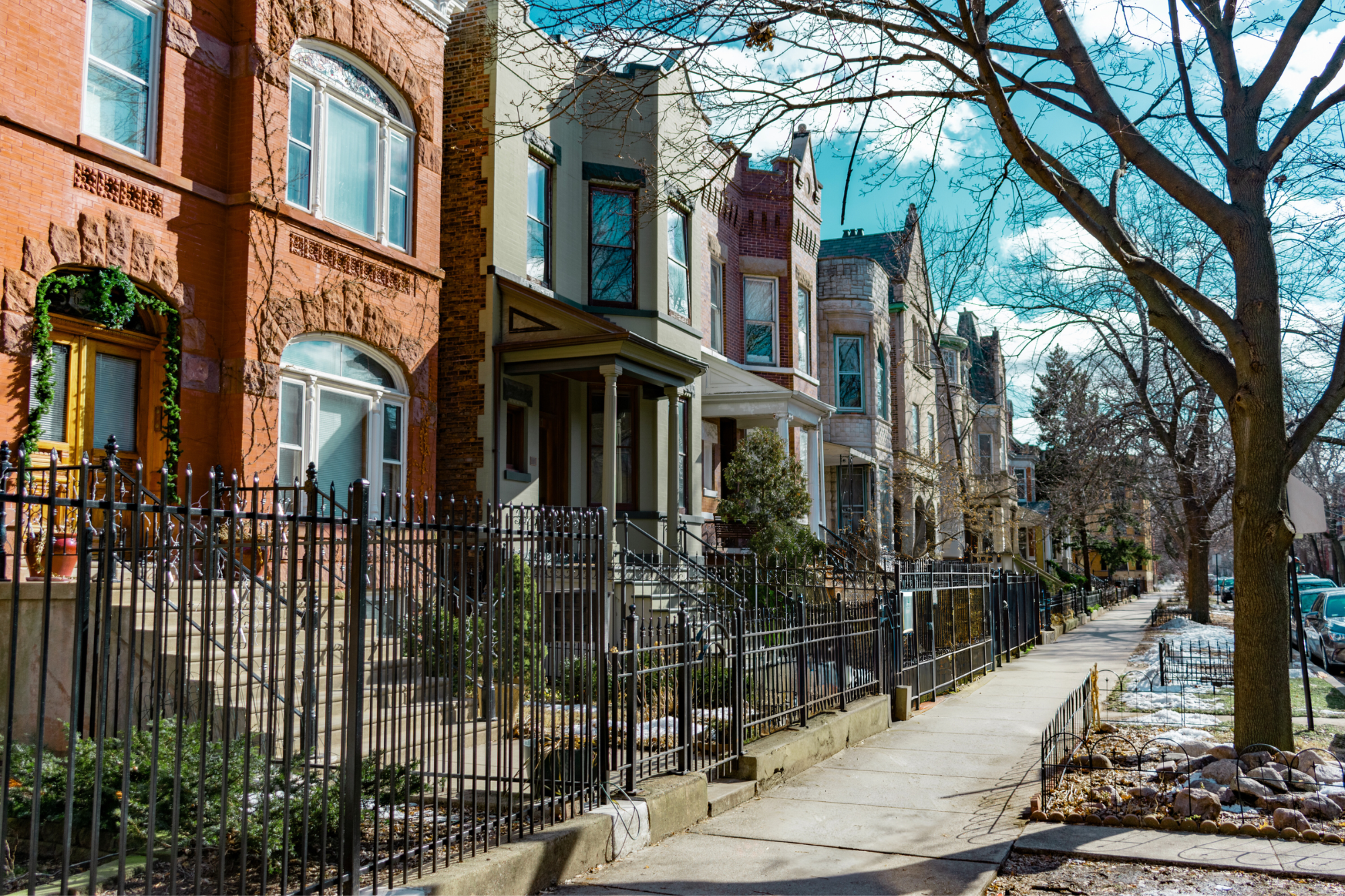
eATLAS’ Guide to More Chicago’s Historic Neighborhoods
Published on December 18, 2025
In 2024, we published recommendations for those wishing to venture outside of downtown Chicago to its neighborhoods. Today, we offer five more.
By Dave Lifton (@daveeatschicago)
In the past 25 years, West Loop has grown so much that it’s almost part of downtown now. What was once a mish-mash of factories, warehouses, and markets—a hop across the river from the Loop—is now the heart of the city’s dining scene. In the area between Randolph Street and Fulton Market, you’ll find Michelin-starred restaurants (Smyth, Oriole, Kumiko, Ever), plus celebrity chef ventures like Girl & the Goat, Rose Mary, and Monteverde. But there are still a few remnants of its blue-collar roots, notably in Lou Mitchell’s, a diner that opened in 1923, and J.P. Graziano, a 90-year old Italian grocery with a sub shop that has some of Chicago’s most beloved sandwiches. Although the West Loop isn’t known as a shopping mecca, you can find numerous local boutiques along Madison Street.
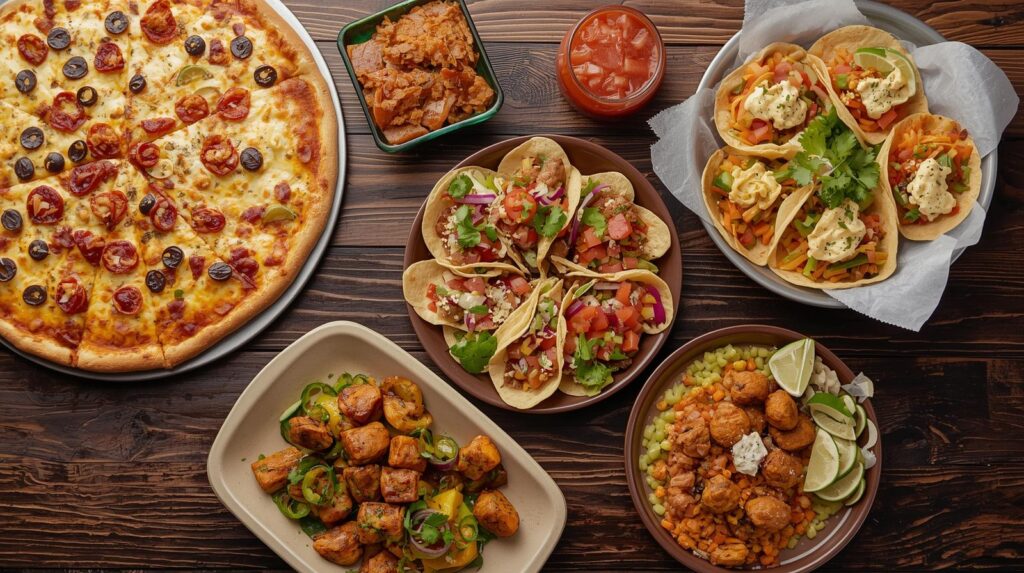
If West Loop is Chicago’s hottest neighborhood, Wicker Park is its hippest, and has been since the 1990s, setting the tone for the city’s post-collegiate population. Walk through Milwaukee Ave. and browse shops such as Reckless Records, Transit Tees, Volumes Bookcafe, and about a half-dozen vintage shops. Eating local is important in Wicker Park, from New Haven-style pizza (Piece) to tacos (Big Star) to classic Italian (Club Lucky) to Indian/Nepalese (Cumin).
For nightlife, see local and national comedians at The Den Theatre, play vintage arcade games at Emporium or shuffleboard at Royal Palms, and finish it off with a nightcap at the Up Room atop the Hotel Robey or craft beer at the Map Room.
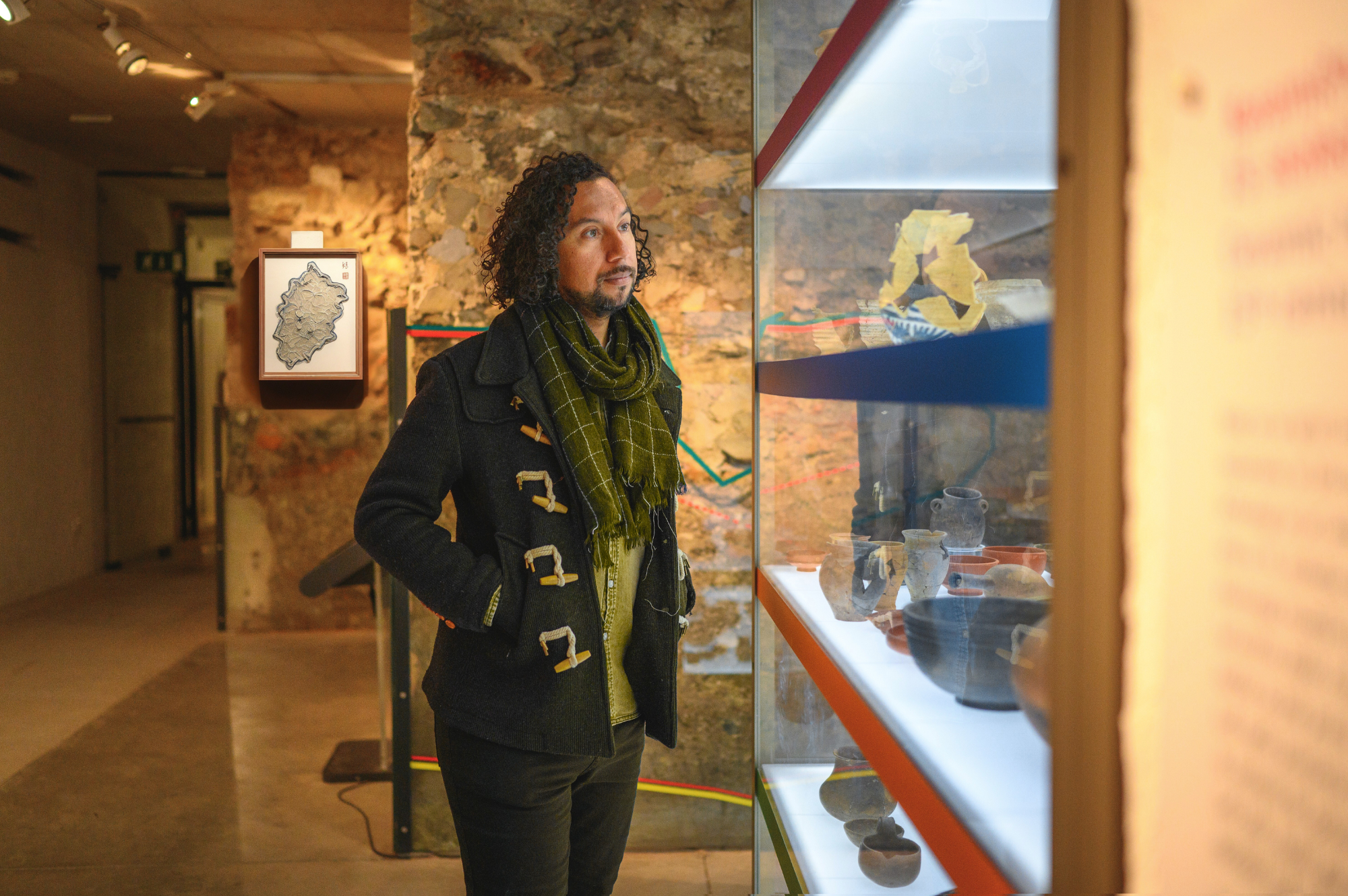
The first lakefront suburb to the north, Evanston is best known as the home of Northwestern University, but it’s much more than simply a college town. Its charming, walkable downtown is filled with shops like Bookends & Beginnings, Stumble & Relish, and Dave’s Down to Earth Rock Shop. Culturally, Evanston History Center, located in the mansion of former Vice President Charles Gates Dawes, explores the small city’s history through artifacts. Tour the Gichigamiin Indigenous Nations Museum to learn about the history of Indigenous people in the U.S. On Northwestern’s campus, the Block Museum of Art’s collection includes more than 6,000 pieces in all disciplines.
And there’s an incredibly diverse range of restaurants, from casual spots (Lucky Platter, 10Q Chicken) and brewpubs (Double Clutch, Sketchbook) to barbeque (Hecky’s, Soul & Smoke) and upscale dining (Oceanique, Campagnola, The Barn Steakhouse). For pastries, go with Bennison’s, an institution since 1938, or artisanal fare at Hewn. At any bar, look for something made with FEW Spirits, cheekily named after Evanston native Frances E. Willard, president of the Women’s Christian Temperance Union.
For the bulk of the city’s history, Bridgeport had a reputation for being insular and rough-and-tumble, and the home of five mayors who ran the Windy City for the bulk of the 20th century. Outside of a White Sox game, there was little reason to visit. These days it’s still predominantly—and proudly—working-class, with no-frills spots like Shinnick’s Pub and Ricobene’s, home of the breaded steak sandwich, among the institutions that residents have patronized for generations. However, the new iteration of Bridgeport is embodied by Kimski, a Korean-Polish fusion restaurant, and the Black-owned, neon pink Stussy’s Diner. Off Hours, a brewpub inside the renovated historic Ramova Theatre, bridges the eras.
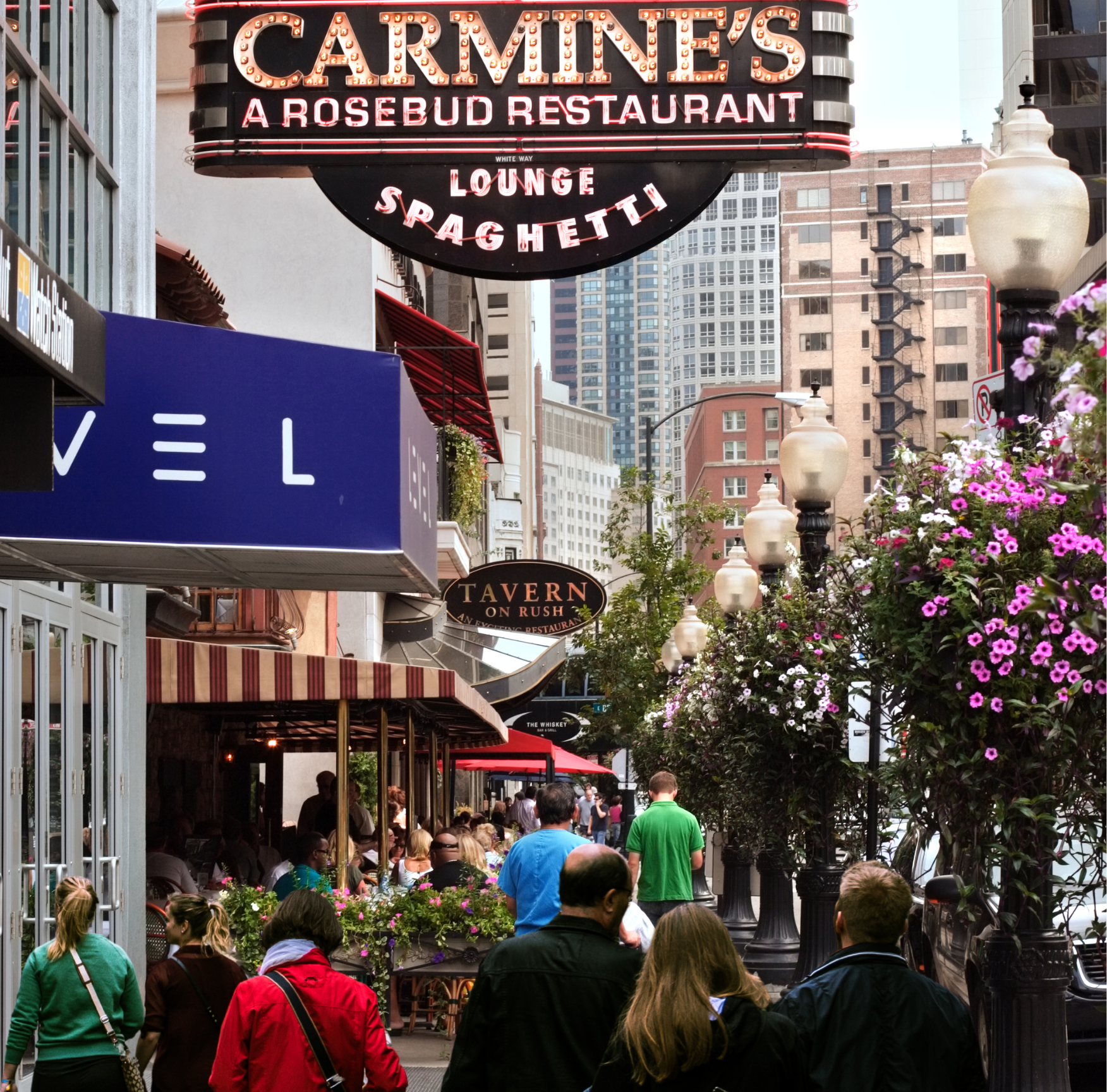
Bridgeport also has a thriving arts community. Check out the Bridgeport Art Center and the Zhou B Art Center—a symbol of the growing Asian influence in the neighborhood—on the third Friday of every month, when the studios are open. The Bridgeport Art Center is also home to the Chicago Maritime Museum, which depicts how the local waterways have been essential to the city’s growth.
Bridgeport’s ultimate hidden gem might be Palmisano Park, a 26-acre former limestone quarry that has been transformed into a park, with trails, a 33-foot climbing hill, and a fishing pond.
On Division Ave. immediately west of Wicker Park, a giant Puerto Rican flag welcomes you into Humboldt Park. All along the Paseo Boricua, one can find plenty of street art and Puerto Rican restaurants, like Nellie’s, a brunch spot known for its coconut oatmeal. The jibarito, a sandwich where bread is replaced by fried plantains, was created in Humboldt Park, and you can find it at standouts Smash Jibarito and Papa’s Cache Sabroso. Inside the park—one of Chicago’s finest– sits the National Museum of Puerto Rican Arts and Culture. For the past 10 years, Humboldt Park has been gentrifying, and its effects can be seen in hipster joints like modern diner Spinning J, sandwich shop Humboldt Haus, and tiki bar Esmerelda’s Lounge.
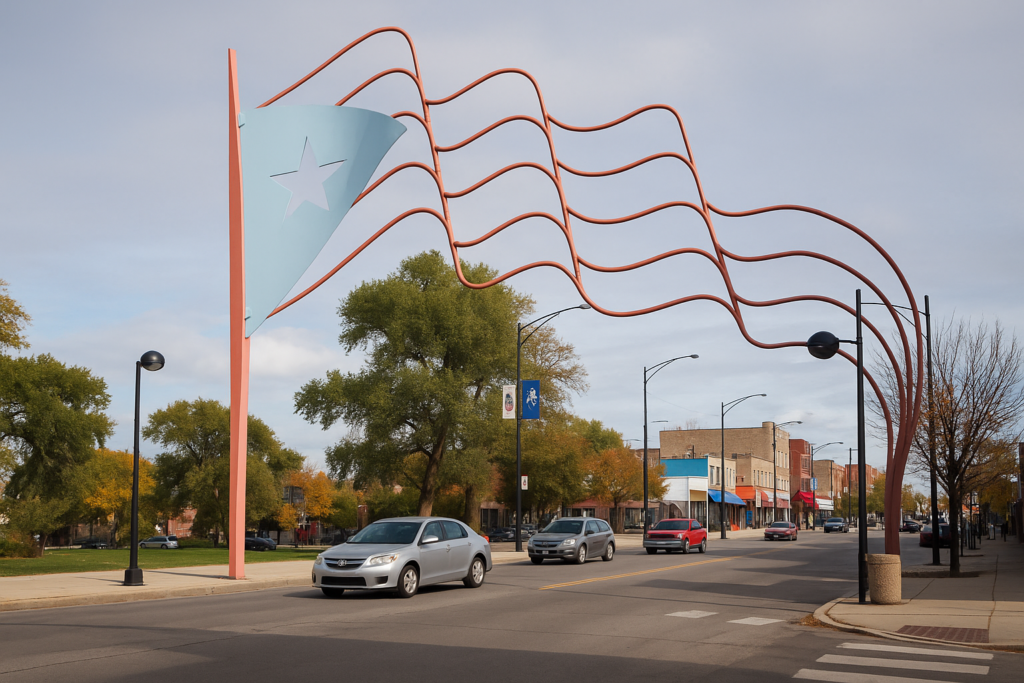
Throughout all of Humboldt Park’s changes, two businesses have seen it all. The California Clipper, a cocktail lounge that opened in 1937 and Roeser’s Bakery, which has kept the neighborhood in pastries since 1911.
Fun Fact: L. Frank Baum wrote The Wonderful Wizard of Oz while living in Humboldt Park, and the corner where his house stood has been repaved with yellow bricks.
The author doesn’t spend nearly as much time in each of these neighborhoods as he would like.

The Adventure starts when you say it does.
All eATLAS Adventures are designed and built by experienced eATLAS Whoa!Guides. They're always on. Always entertaining. And always ready to go.
Check out our Adventures!